


International guests do not only need a menu translated word for word. They need to understand what the dish is, what it contains, how it tastes, and whether it matches their preferences.
That is why a multilingual restaurant menu should do more than replace one language with another. It should help guests ask questions and get clear answers before they order.
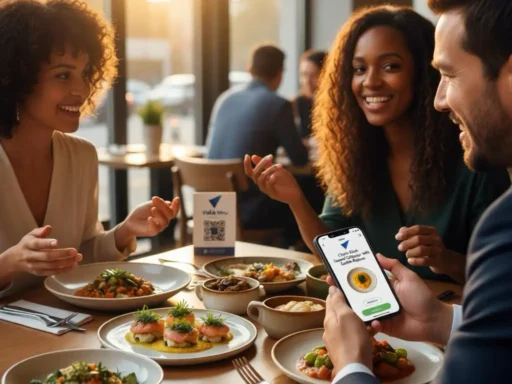
Vola AI helps restaurants create that experience. Guests scan a QR code and use Vola by chat or voice to ask about dishes, ingredients, allergens, calories, and recommendations in their preferred language.
Why multilingual menus matter
Restaurants in tourist-heavy cities, hotel districts, malls, airports, nightlife areas, and international neighborhoods often serve guests who do not fully understand the menu language.
That can create friction during ordering. Guests may choose only familiar items, avoid signature dishes, ask staff for repeated explanations, or feel unsure about ingredients and allergens.
A multilingual menu helps reduce that friction. A multilingual AI menu assistant goes further because it lets guests ask follow-up questions.
Why static translation is not always enough
Static translation is useful, but it has limits. A translated dish name may still not explain the dish. A short description may not answer questions about flavor, preparation, spice level, ingredients, or portion size.
For example, a guest may read a translated item and still ask:
- Is this spicy?
- What is the sauce made from?
- Is it fried, grilled, or baked?
- Does it contain dairy, nuts, gluten, seafood, or eggs?
- Is it good for sharing?
- What do you recommend for a first-time guest?
A static translation gives a starting point. AI menu assistance allows the conversation to continue.
How AI helps international guests understand the menu
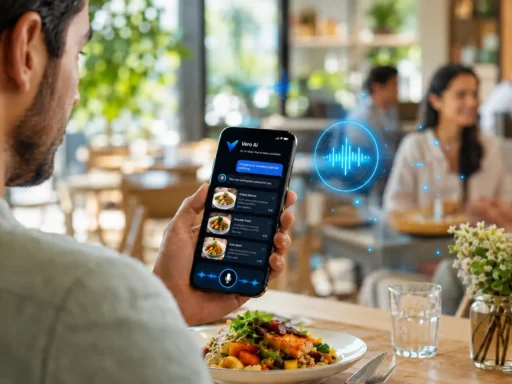
Vola lets guests ask questions in the language they are comfortable with. They do not need to guess from short descriptions or wait for staff to translate every detail.
A guest can ask:
- Can you explain this dish in Arabic?
- What does this item taste like?
- Which dish is lighter?
- Does this contain seafood?
- What is popular here?
- Can you compare these two dishes?
This makes the menu more accessible and helps guests order with more confidence.
Where multilingual menu support is most useful
Multilingual menu assistance is valuable for any food-related venue with international guests.
Strong use cases include:
- Restaurants in the UAE, GCC, Europe, USA, and Canada.
- Hotel restaurants and resort dining venues.
- Tourist-area cafes and casual dining restaurants.
- Bars, lounges, clubs, and pool venues with food or drink menus.
- Truck cafes and food trucks serving mixed audiences.
- Restaurants with regional dishes that need explanation.
In these venues, language is not a small detail. It can affect what guests order and how confident they feel.
How multilingual AI supports staff
Staff remain central to hospitality. Vola is not a replacement for waiters or service teams.
The value is support. Vola can help guests understand basic menu details in their preferred language before they speak with staff. This can make staff conversations clearer, especially during busy service or in venues with many international guests.
Instead of starting from confusion, the guest starts with context.
How multilingual menus support recommendations
Recommendations are harder when the guest does not fully understand the language of the menu. A guest may avoid unfamiliar dishes even if those dishes are the restaurant’s strongest items.
Vola can explain signature dishes, suggest suitable options, and support AI menu recommendations in the guest’s preferred language. This helps international guests explore more of the menu instead of choosing only what feels familiar.
How multilingual support connects with allergens and calories
Allergen and calorie questions become more sensitive when language is involved. A guest may need to know whether a dish contains dairy, nuts, gluten, seafood, eggs, or other ingredients. They may also want to compare lighter options or ask about calories.
Vola can help guests ask these questions in their preferred language. Restaurants should still handle serious allergy or health-related concerns responsibly, but AI can make the first layer of menu understanding clearer.
Responsible language matters
Do not claim that any AI system provides perfect translation in every language. That is not a responsible promise.
The better claim is that Vola supports multilingual menu conversations and helps guests understand dishes in their preferred language. This is useful, practical, and credible.
How this connects to the QR experience
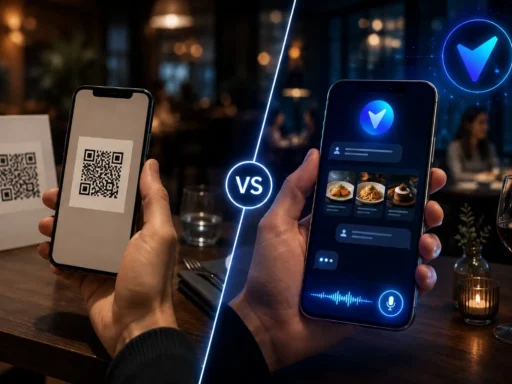
Many restaurants already use QR codes. Vola keeps that simple behavior and adds multilingual AI assistance after the scan.
This means the guest does not only open a translated page. They open a smart assistant that can explain the menu, answer follow-up questions, and help them choose.
For the broader product positioning, see More Than a QR Menu.
Bottom line
A multilingual restaurant menu should help guests do more than read translated words. It should help them understand dishes, ask questions, and choose with confidence.
Vola gives restaurants a smarter way to support international guests through AI chat, voice, ingredients, allergens, calories, recommendations, and multilingual menu assistance.
Want to serve international guests better? Start for free and turn your menu into a multilingual AI conversation.
FAQ
What is a multilingual restaurant menu?
A multilingual restaurant menu helps guests understand dishes in more than one language. With AI, it can also support follow-up questions and explanations.
How does Vola support multilingual guests?
Vola lets guests ask menu questions by chat or voice in their preferred language. It can help explain dishes, ingredients, allergens, calories, and recommendations.
Is AI menu translation better than a static translated menu?
AI menu assistance can be more flexible because guests can ask follow-up questions. Static translations are useful, but they may not answer every guest’s specific concern.
Should restaurants claim perfect translation in every language?
No. A safer and more accurate claim is that Vola supports multilingual menu conversations and helps guests understand the menu more clearly.