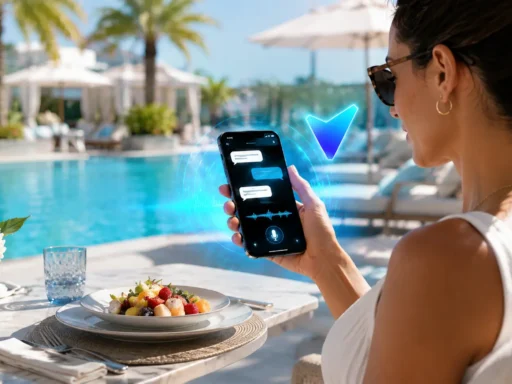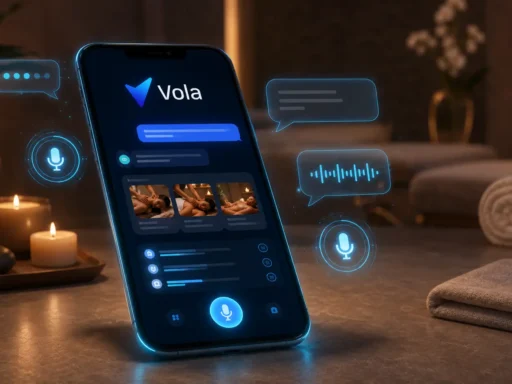

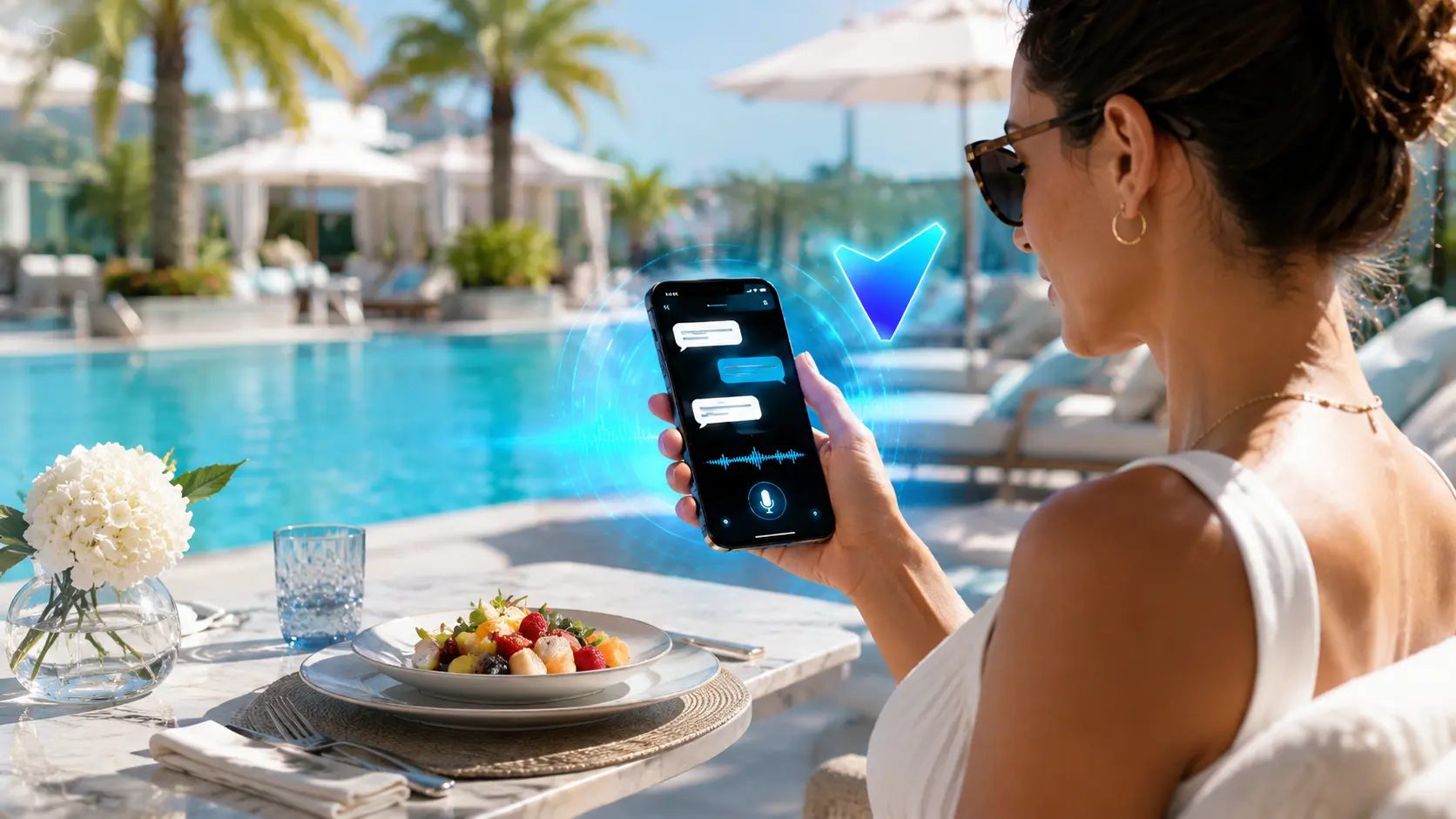

An AI menu assistant helps guests ask the questions a normal menu cannot answer by itself. Instead of scrolling through a static list, guests can ask what is popular, what contains certain ingredients, what is lighter, what has fewer calories, or what the restaurant recommends.
For restaurant owners and managers, this is a practical use of AI. It does not require replacing staff or turning the restaurant into a fully automated system. It simply makes the menu easier to understand.
Vola AI is a production-ready AI menu assistant for restaurants, cafes, bars, clubs, pools, truck cafes, and food-related hospitality venues. Guests scan a QR code and use chat or voice to explore the menu.
What is an AI menu assistant?
An AI menu assistant is a guest-facing assistant that understands a restaurant’s menu and helps guests make better ordering decisions.
It can help answer questions about:
- Dish recommendations.
- Ingredients.
- Allergens.
- Calories.
- Spice level.
- Preparation style.
- Pairings and add-ons.
- Menu explanations in different languages.
The main purpose is simple: help guests understand what they are ordering.
How it works in a restaurant
The guest journey should feel simple and familiar.
- The guest scans a QR code at the table, bar, pool, counter, or venue.
- The restaurant’s menu opens with an AI assistant experience.
- The guest asks a question by chat or voice.
- The assistant responds based on the restaurant’s menu context.
- The guest compares options and chooses with more confidence.
This keeps the QR scan familiar while adding a more helpful layer after the menu opens.
How it is different from a basic QR menu
A basic QR menu gives access. An AI menu assistant gives guidance.
A QR menu may show item names, descriptions, and prices. That is helpful, but it still requires the guest to read everything and decide alone. An AI menu assistant lets the guest ask direct questions.
For example, a guest does not need to scroll through every pasta, salad, or dessert. They can ask, “What is good if I want something light?” or “Which dessert is not too heavy?”
This is why Vola is positioned as more than a QR menu. The QR code is the entry point. The assistant is the value.
How it is different from a generic chatbot
A generic restaurant chatbot may answer broad questions about opening hours, location, booking, or contact details. An AI menu assistant is more focused. It is designed around menu understanding.
Menu questions are specific. Guests ask about taste, ingredients, allergens, calories, preparation, portion size, and recommendations. A useful assistant needs menu context, not generic answers.
For this reason, Vola should be described as an AI menu assistant, not just a restaurant chatbot.
What guests can ask
The best way to understand the product is to look at real guest questions.
Recommendation questions
- What do you recommend?
- What is popular here?
- What should I order if I like seafood?
- What is good for sharing?
Ingredient and allergen questions
- Does this contain dairy?
- Does this have nuts?
- Is there gluten in this dish?
- What is inside this sauce?
Calories and preference questions
- How many calories does this have?
- Which option is lighter?
- What is filling but not too heavy?
- What is a good vegetarian option?
Language questions
- Can you explain this dish in Arabic?
- Can you compare these two dishes in English?
- What does this local dish mean?
Why restaurants need this now
Guests are used to asking questions in natural language. They search, chat, compare, and expect quick answers. A menu that only displays information can feel limited, especially when the guest is unsure.
Restaurants also face pressure to create better digital experiences without overcomplicating operations. An AI menu assistant is a practical middle ground. It improves the menu experience without requiring the restaurant to change its full service model.
Benefits for restaurant owners
- Better menu engagement: Guests interact with the menu instead of only scrolling.
- Modern brand perception: The restaurant feels more intelligent and guest-friendly.
- Natural upselling opportunities: Vola can recommend relevant dishes, pairings, and add-ons.
- Support for international guests: Multilingual menu conversations make dishes easier to understand.
- Practical AI adoption: The restaurant uses AI in a focused, customer-facing way.
Benefits for managers and staff
Restaurant managers care about service flow. Staff often repeat the same menu explanations during busy hours. Vola can help answer common questions before guests speak with the team.
This supports staff without replacing them. The human side of hospitality remains important. Vola simply makes the first layer of menu help easier to access.
Where Vola fits best
Vola is useful for food-related venues where guests need help choosing, comparing, or understanding menu items.
Strong fits include:
- Restaurants with detailed menus.
- Cafes with food, dessert, and drink choices.
- Bars and lounges with food pairings.
- Clubs and discos with menus.
- Pool venues with food and drinks.
- Truck cafes and food trucks.
- Hospitality groups serving international guests.
What an AI menu assistant should not promise
A responsible AI menu assistant should not overclaim. Vola should not be positioned as a waiter replacement, POS system, payment tool, full ordering platform, medical nutrition tool, or allergen safety guarantee.
The correct promise is more focused and more useful: Vola helps guests understand the menu by chat or voice.
Bottom line
An AI menu assistant gives restaurants a smarter way to help guests explore the menu. It answers practical questions, supports staff, improves menu clarity, and helps guests choose with more confidence.
Want to give your menu an AI assistant? Start for free and let guests ask your menu by chat or voice.
FAQ
What does an AI menu assistant do?
An AI menu assistant helps guests ask questions about dishes, ingredients, allergens, calories, recommendations, and languages before ordering.
Is an AI menu assistant the same as a QR menu?
No. A QR menu gives guests access to the menu. An AI menu assistant helps guests understand and interact with the menu through chat or voice.
Is Vola a restaurant ordering system?
No. Vola is currently focused on menu assistance. It is not positioned as a POS, payment, or full ordering system.
Can Vola support multilingual guests?
Yes. Vola supports multilingual menu conversations, helping guests understand dishes and ask questions in their preferred language.